Quick answer
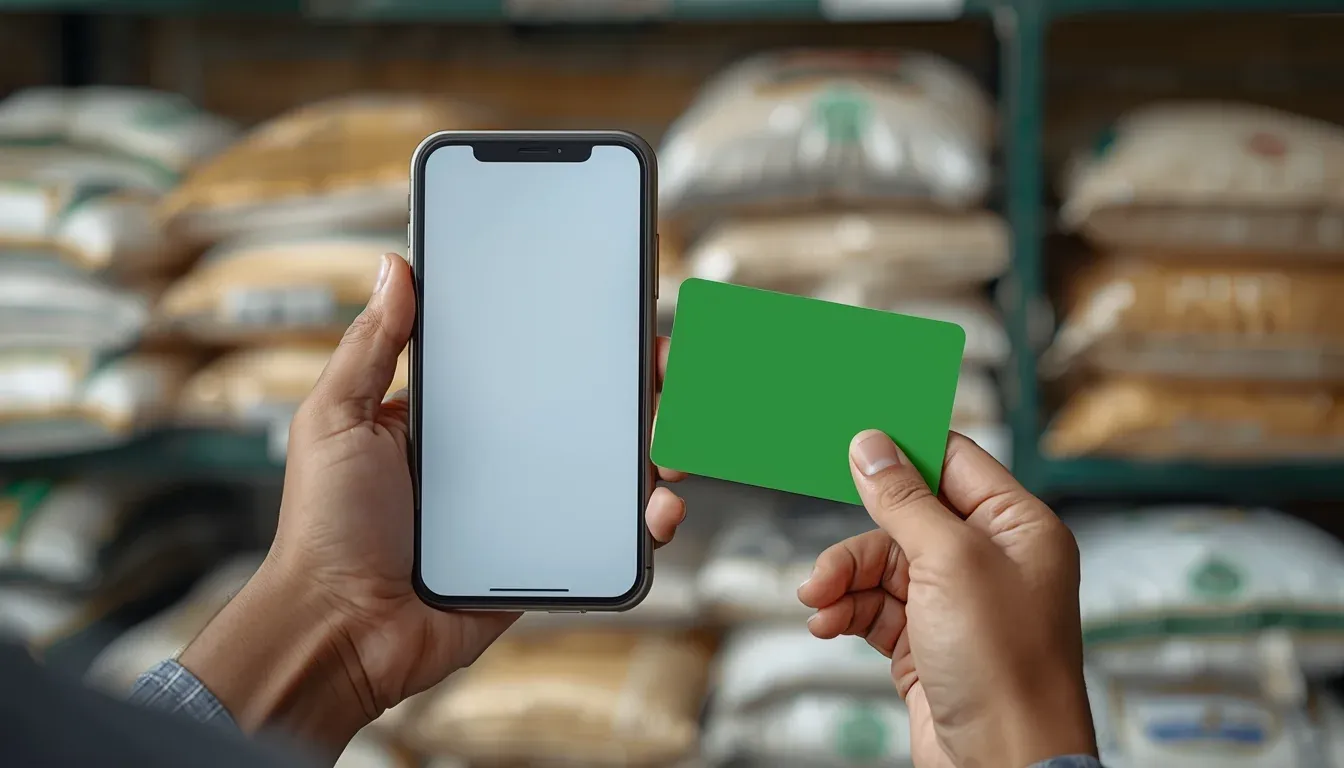
The ration card works at registered shops across Punjab — the provincial government reported more than 62,000 in July 2026 — where cardholders buy essential food items worth Rs 3,000 each month. Ask the shopkeeper if they accept the ration card before you shop, and always take a receipt.
Key facts at a glance
- Registered shops
- 62,000+ across Punjab (Jul 2026)
- What you buy
- Essential food items
- Monthly value
- Rs 3,000
- Payment
- Card + your PIN
- Always ask for
- A printed or written receipt
- Overcharged?
- Complain to PESSI / card helpline
On this page (6 sections)
How the shop network works
Instead of making families queue at a few depots, the scheme lets cardholders shop at ordinary neighbourhood stores that have joined the programme. By July 2026, the provincial government said beneficiaries were buying essential food items every month from more than 62,000 registered shops across Punjab.
For you, that means less travel and normal shopping — as long as the shop is registered.
Finding a registered shop near you
- Ask at your regular karyana store. Many neighbourhood shops have joined; the owner will know.
- Look for a participating-shop notice or a card machine at the counter.
- Ask colleagues — workers at the same factory usually find the nearest shops quickly.
- Ask HR or PESSI. Call 0800-73774 if you can’t find one.
What to buy (and in what order)
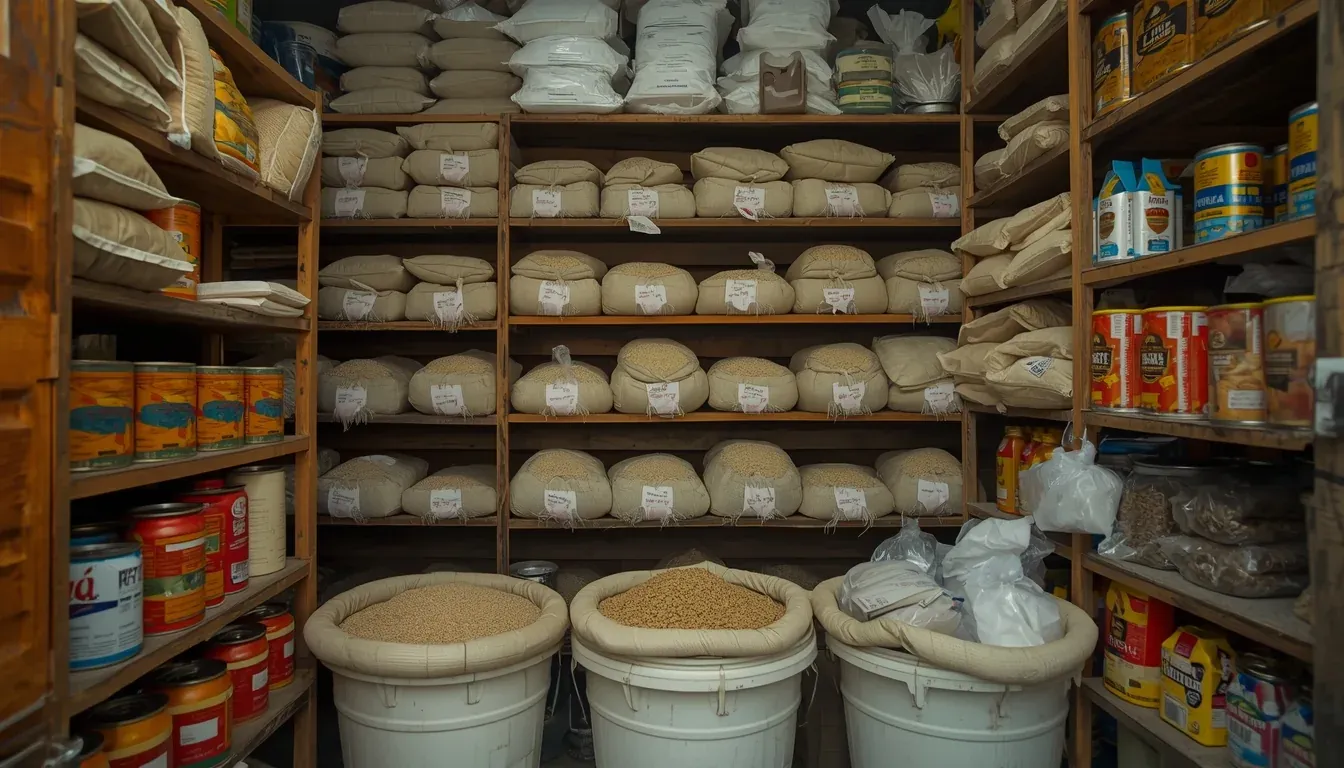
The subsidy is meant for essential food items. Families who stretch Rs 3,000 furthest usually buy in this order:
- Atta — the biggest monthly need for most households.
- Ghee or cooking oil.
- Daal (masoor, chana, moong) and rice.
- Sugar, tea, salt and basic spices with what is left.
Buying larger packs once a month is usually cheaper than small packs every week.
At the counter: protect yourself
- Enter your PIN yourself and cover the keypad.
- Check the bill before you pay — item, quantity and price.
- Take a receipt every time.
- Never leave your card with the shopkeeper “for later”.
- Don’t accept “cash back” offers in place of groceries — this can be misuse of the scheme.
Shop problems and what to do
| Problem | What to do |
|---|---|
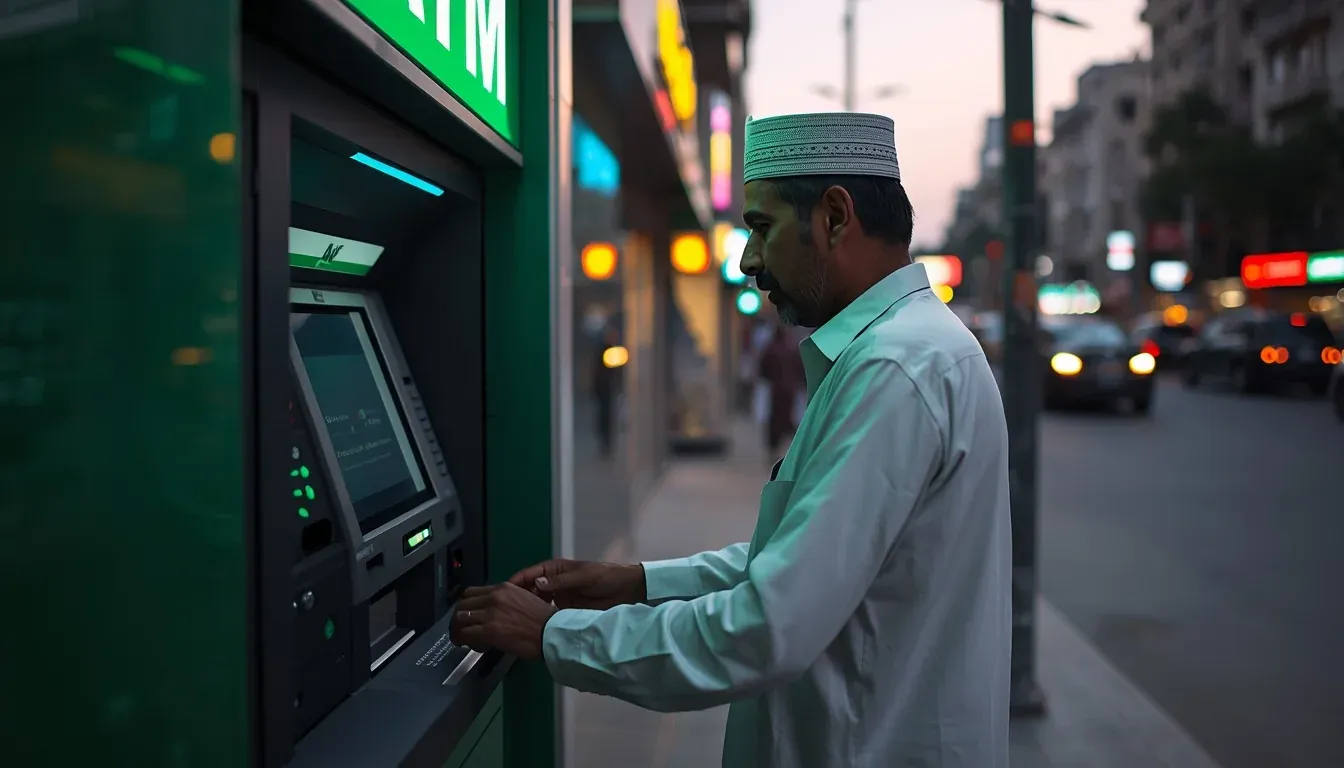
| Shop says card not accepted | Try another registered shop; confirm the card works with an ATM balance enquiry |
| Charged above shelf price | Ask for a receipt, note shop name and address, report it |
| Shop asks for your PIN | Refuse; enter it yourself or go elsewhere |
| Transaction failed but amount deducted | Keep the slip; call the card helpline within 24 hours |
| Shop offers cash instead of items | Refuse and report — this risks your eligibility |
Report problems through the routes on our complaints page.
Utility stores vs karyana shops
Earlier relief schemes often worked through Utility Stores Corporation outlets. The Maryam Nawaz Ration Card is different: it relies on a broad network of registered private shops. If you shop at a utility store, ask at the counter whether the ration card is accepted there before filling your basket.
Frequently asked questions
Q Is there an official ration card shop list near me?
Q Can I buy non-food items with the ration card?
Q The shopkeeper wants to charge extra for using the card. Is that allowed?
Q Can I withdraw the Rs 3,000 as cash?
Sources we checked
- [1] The Nation — 62,000+ registered shops (27 Jul 2026)
- [2] PESSI — Maryam Nawaz Ration Card
- [3] PESSI — Withdrawal guidance for Ramadan Rs 10,000 (26 Feb 2026)
External links open in a new tab and are marked nofollow. Read how we choose sources in our editorial policy.
Independent guide — please read
Ration-Card.pk is not run by PESSI, PSER, the Bank of Punjab or any government office. Rules and dates can change after we publish. Before you act, confirm on the official portal or helpline. Spotted something out of date? Tell our corrections desk.
Written & reviewed by the Ration-Card.pk Editorial Desk
Our Lahore-based desk follows Punjab’s social-protection notices every week and cross-checks each figure with at least one official or two independent sources. How we research · Fact-checking policy